Maintenance work is often viewed as routine, but not every repair is simply “like-for-like”. Depending on the nature and scope of the work, maintenance activities may fall within the requirements of the Building Regulations 2010, alongside other legislation such as the Building Safety Act 2022, the Construction (Design and Management) Regulations 2015 (CDM), and the Regulatory Reform (Fire Safety) Order 2005.
Understanding when Building Regulations apply helps property owners, facilities managers and contractors remain compliant while ensuring buildings remain safe, efficient and fit for purpose.
When Do Building Regulations Apply?
Simple maintenance and repairs that replace components on a like-for-like basis will not normally require Building Regulations approval.
However, Building Regulations may apply where works involve:
- Material alterations to a building.
- Changes to the structure or load-bearing elements.
- Installation or replacement of controlled services or fittings, such as heating, electrical or drainage systems.
- Energy efficiency improvements affecting thermal performance.
- Fire safety measures or means of escape.
- Accessibility improvements.
- Extensions, conversions or changes of use.
Each project should be assessed individually, as the compliance requirements will depend on the scope of work being undertaken.
💡 OPSG Compliance Tip: Keep a simple decision log for every maintenance job. Record whether the work is like-for-like or involves a material alteration. This takes minutes and protects you if a compliance question arises later.
Like-for-Like Repairs vs Material Alterations
One of the most common misunderstandings within property maintenance is assuming all repairs are exempt from Building Regulations.
For example:
Typically considered repairs:
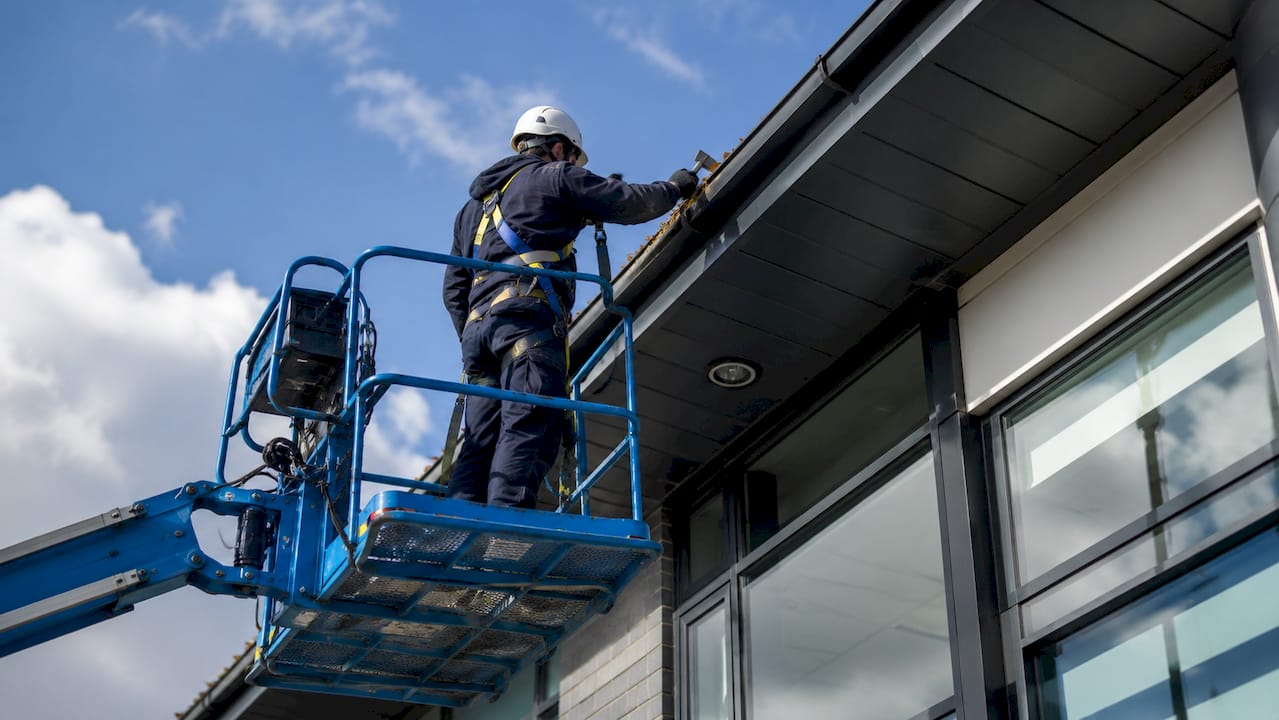
- Replacing damaged roof tiles with matching materials.
- Repairing existing guttering.
- Replacing individual ceiling tiles.
- Decorating internal finishes.
- Localised plaster repairs.
Works that may require Building Regulations consideration:
- Replacing an entire roof covering.
- Structural timber repairs.
- Installing new drainage runs.
- Electrical rewiring.
- Boiler replacements.
- Fire compartmentation works.
- Replacement or significant alteration of fire doors.
- Thermal insulation upgrades.
The key consideration is whether the work changes the building’s performance, safety or compliance with current regulations.
Fire Safety Responsibilities
Maintenance works frequently involve fire safety systems and passive fire protection.
This may include:
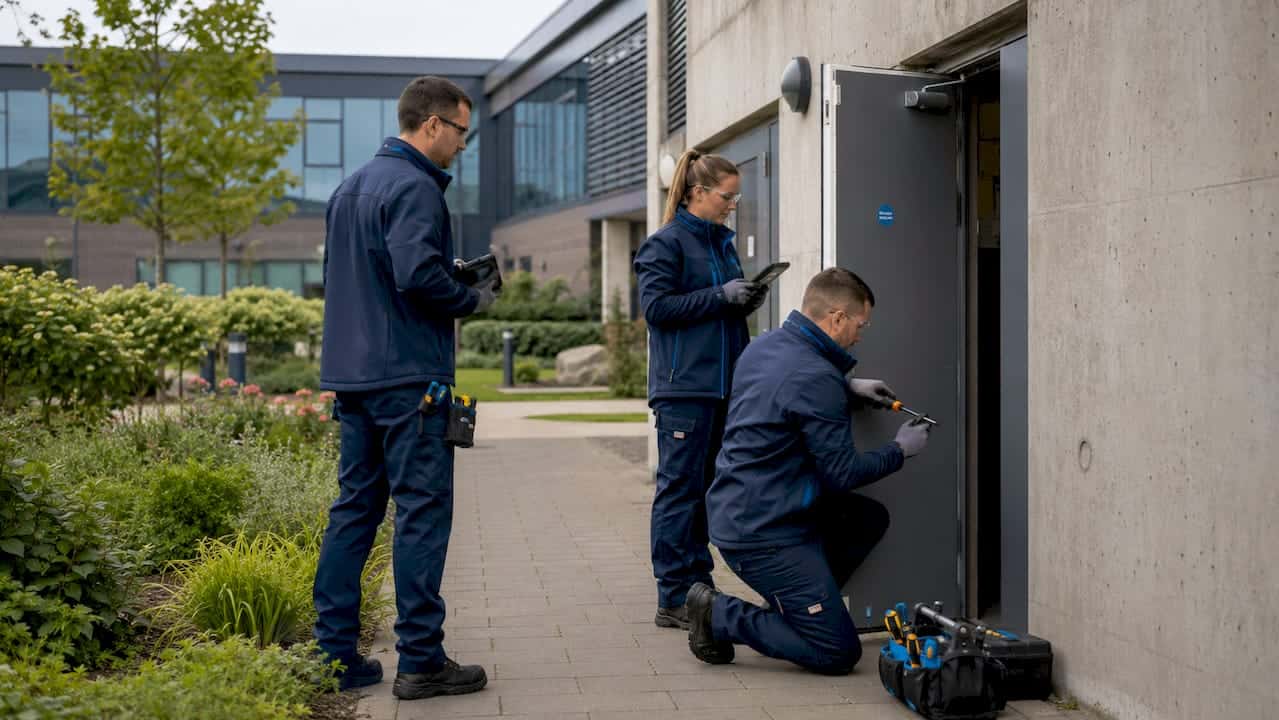
- Fire doors.
- Fire stopping.
- Compartmentation.
- Emergency lighting.
- Fire alarm systems.
- Smoke ventilation.
- Means of escape.
Where these systems are altered or replaced, the work should comply with current legislation and recognised UK standards. Fire doors, for example, should be correctly specified, installed, inspected and maintained to preserve the building’s fire strategy.
💡 OPSG Compliance Tip: Fire doors should never be viewed as standalone products. Their performance depends on the complete doorset, correct installation, compatible hardware and ongoing inspection throughout the building’s life.
Mechanical and Electrical Services
Mechanical and electrical installations often fall within Building Regulations where systems are replaced, upgraded or significantly altered.
Examples include:
- Heating systems.
- Ventilation.
- Air conditioning.
- Electrical installations.
- Hot and cold water services.
- Drainage systems.
Works should be carried out by competent persons and, where applicable, certified in accordance with the relevant Building Regulations and industry requirements.
💡 OPSG Compliance Tip: Always retain commissioning certificates, test results and manufacturer documentation when replacing mechanical or electrical systems. Good records are often as important as the installation itself.
Competence Matters
Compliance is about far more than completing the physical work.
Clients should ensure contractors have the necessary competence, training, experience and appropriate accreditations to undertake the work safely and in accordance with current legislation.
This includes producing suitable risk assessments, method statements (RAMS), maintaining appropriate records and delivering work in accordance with recognised industry standards.
The Importance of Good Documentation
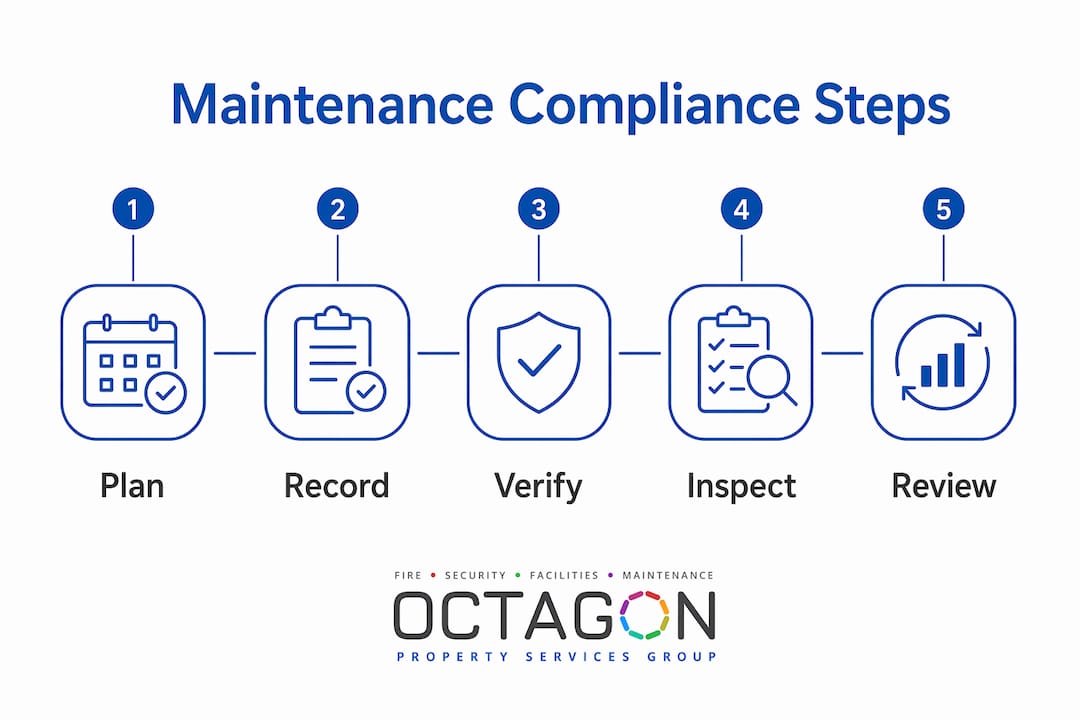
Even where formal Building Regulations approval is not required, maintaining accurate records is considered good practice.
Documenting inspections, maintenance history, certifications, photographs, test results and completed works provides valuable evidence that buildings have been maintained responsibly and can support future inspections, audits and asset management.
For higher-risk buildings, additional statutory information management duties introduced through the Building Safety Act 2022 may also apply.
Building Control Approval vs Building Regulations Compliance
A common misconception is that Building Regulations only apply when Building Control approval is required. In reality, many maintenance works must still comply with the relevant performance requirements of the Building Regulations, even where formal Building Control involvement is not necessary. Understanding the distinction helps clients make informed decisions and ensures work is completed safely and to the appropriate standard.
How OPSG supports building regulations compliance in maintenance

Why Compliance Should Never Be an Afterthought
Building compliance is not simply about satisfying legislation; it is about protecting people, safeguarding assets and reducing long-term risk.
Understanding when maintenance becomes regulated building work allows organisations to make informed decisions, appoint competent contractors and ensure works are completed safely and to the appropriate standards.
At Octagon Property Services Group (OPSG), compliance forms part of every project we undertake. From planned maintenance and reactive repairs through to specialist inspections and refurbishment works, we believe quality workmanship should always be supported by proper planning, documentation and regulatory compliance.
If you’re unsure whether your proposed maintenance works may fall within Building Regulations or require specialist compliance advice, our team is always happy to help.
FAQ
What is the role of building regulations in maintenance works?
Building regulations define when maintenance activities become regulated building work requiring formal notification and compliance. Routine like-for-like repairs are generally exempt, but material alterations and controlled service installations trigger full compliance obligations.
Do building regulations apply to routine maintenance?
Routine maintenance that involves no material alteration and no new controlled services is generally exempt from Building Regulations. Any change to specification, structure, or building services brings the work within scope.
Who is responsible for compliance during maintenance works?
Responsibility depends on the nature of the project and the relevant legislation. Clients have legal duties to appoint competent contractors and ensure compliance with applicable regulations, while designers, contractors and specialist installers also have their own legal responsibilities. Everyone involved has a role in delivering compliant work.
What is the Golden Thread and why does it matter for maintenance?
The Golden Thread is a statutory information management requirement for certain higher-risk buildings under the Building Safety Act 2022. Its principles of maintaining accurate, accessible and up-to-date records are considered good practice for all property owners and facilities managers, even where the legal duty does not apply.
Disclaimer: This article is intended as general guidance only and should not be relied upon as legal or professional advice. Building Regulations and statutory requirements vary depending on the nature and location of the works. Specific advice should always be sought where appropriate.